November 11, 2026
Escalating energy expenses challenge residential budgets nationwide, prompting homeowners to seek viable strategies for managing seasonal heating and cooling charges. Climate control equipment routinely accounts for over half of an average household's utility consumption, meaning minor inefficiencies accumulate into substantial financial losses over billing periods. Collaborating with licensed HVAC contractors gives property owners direct access to professional diagnostic evaluations, mechanical recalibrations, and modern efficiency techniques that curb wasteful energy draw. By addressing hidden ductwork leaks, mechanical strain, and outdated control hardware, certified specialists systematically lower overhead charges. The following guide explores how expert thermal management restores household mechanical efficiency and reduces monthly expenses.
Optimizing System Airflow Through Diligent Filter Care
Air circulation serves as the foundational pulse for any domestic environmental regulation network, dictating daily operational expenditure. When dust, pollen, and synthetic particulates clog interior pathways, internal blowers consume excessive power to circulate conditioned drafts. According to HomeGuide, you should change your filter every 90 days and consider purchasing new, high-efficiency, pleated options. Restoring uninhibited intake pathways preserves interior fan components from thermal exhaustion while drastically curtailing unnecessary power consumption. Qualified HVAC contractors routinely demonstrate how selecting superior media frames prevents evaporator frost, minimizes coil fouling, and keeps operational draw minimal across severe winter chills and intense midsummer thermal peaks.
Calibrating Smart Thermostats With Advanced Programming
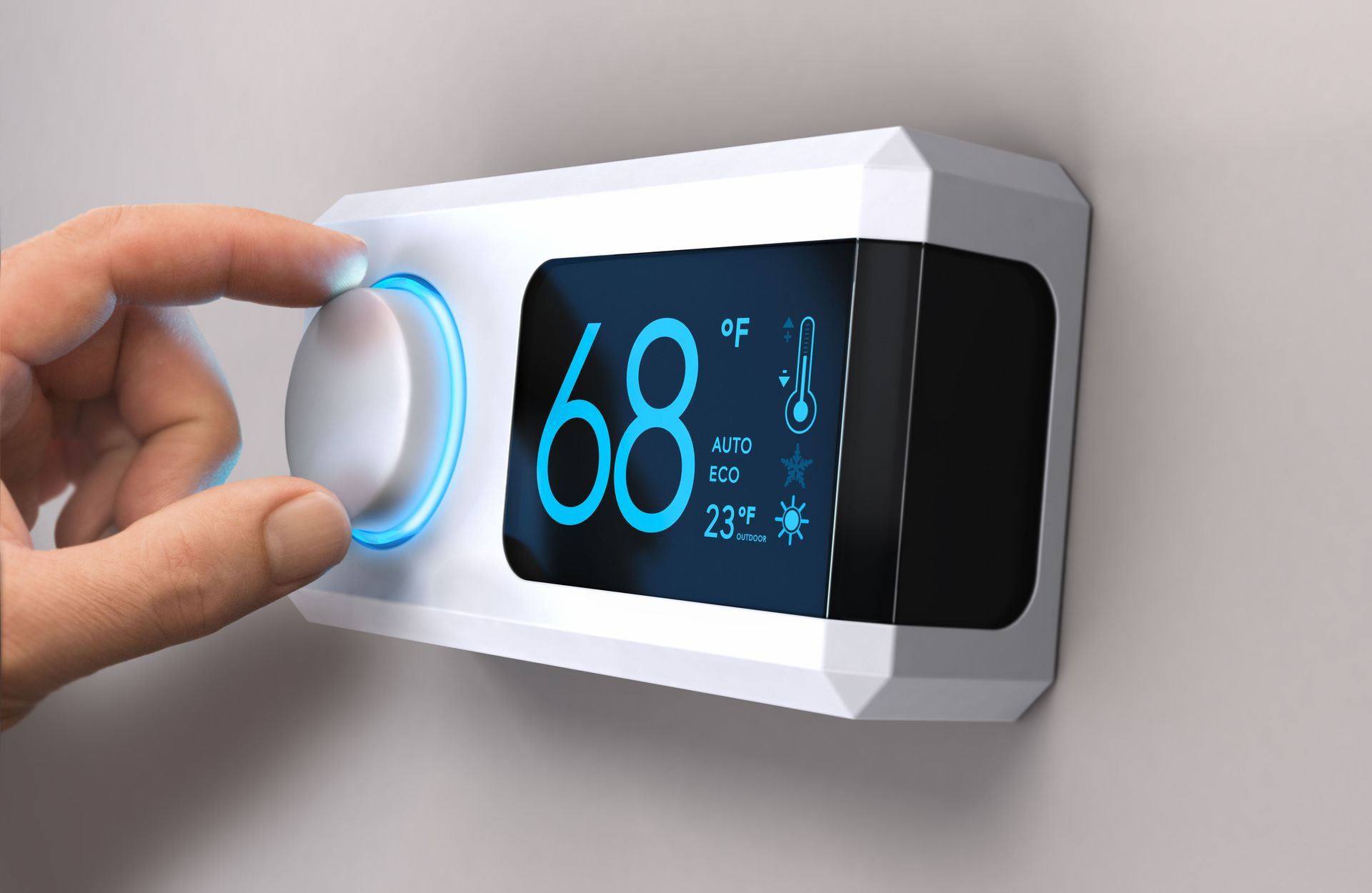
Precision temperature management eliminates costly energy waste caused by archaic manual controls and inaccurate baseline readings. Outdated mercury instruments often miscalculate ambient indoor temperatures, triggering continuous compressor cycles that inflate monthly statements without improving interior living comfort. Modern digital instruments permit exact scheduling, synchronizing conditioning cycles around daily work shifts, school departures, and nocturnal sleeping patterns. When trained technicians wire, mount, and calibrate these modern digital gadgets, domestic systems cease drawing premium kilowatts within empty structures. Proper sensor positioning prevents false solar triggering, helping property owners achieve predictable power conservation without requiring daily manual adjustments to residential temperature dials.
Sealing Concealed Duct Leakage From Damaged Distribution Channels
Conditioned air frequently escapes into unoccupied attics, crawlspaces, and perimeter wall cavities before warming or cooling targeted living areas. Gaping seams, deteriorated metallic tape, and disconnected flex ducts force blowers to sustain extended operating runs to satisfy basic thermostat demands. Experienced HVAC contractors deploy specialized pressure gauges and non-toxic smoke pencils to isolate hidden breaches along intricate distribution runs. Sealing joints with professional-grade mastic pastes and reinforced foil wraps restores full pneumatic delivery across every residential register. Eliminating distribution losses enables heating and cooling hardware to satisfy designated temperature thresholds quickly, cutting utility expenditures and balancing regional indoor temperature variations.
Cleaning Dirty Condenser Coils for Rapid Heat Transfer
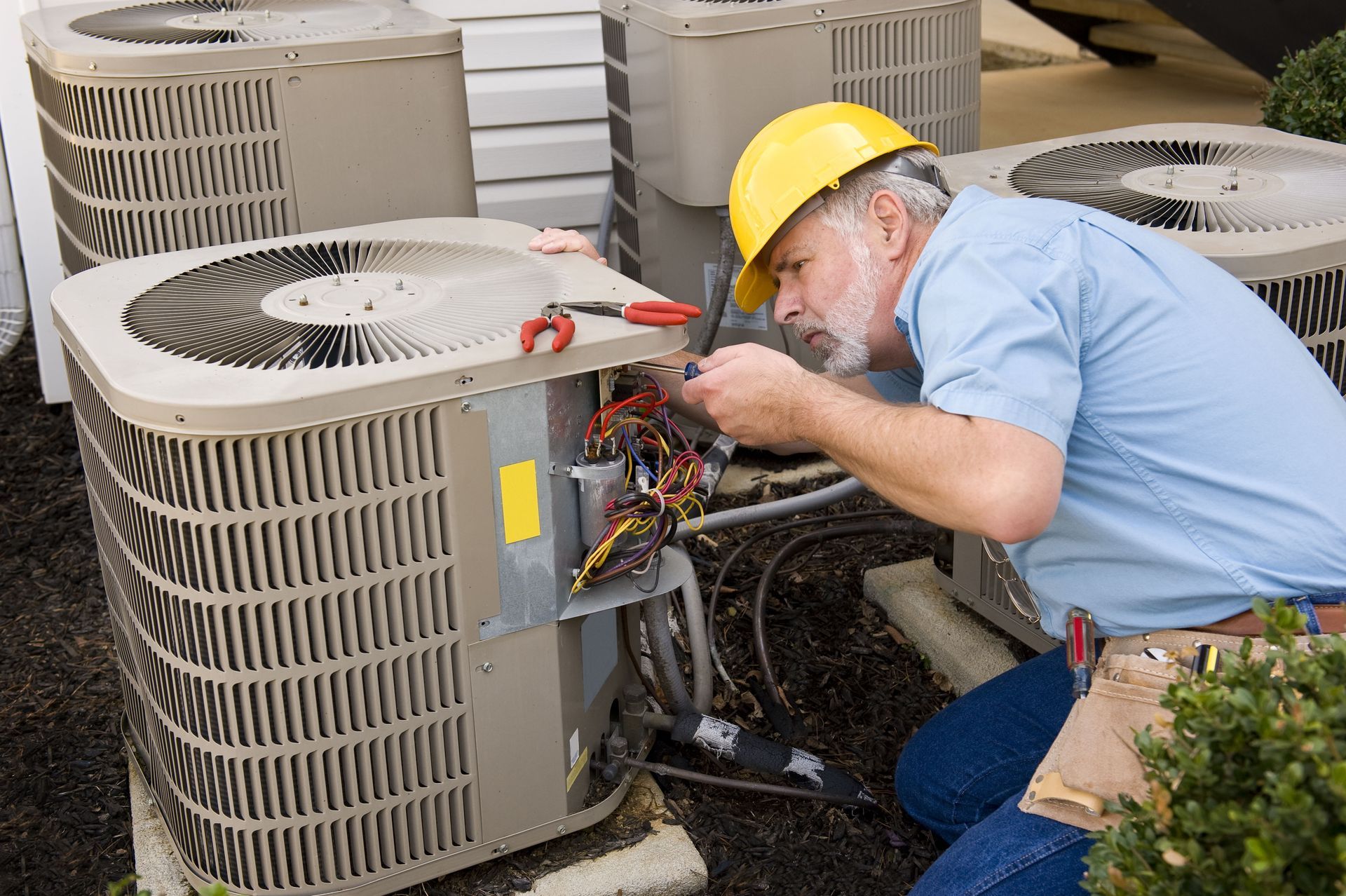
Outdoor condensing units endure continual exposure to environmental elements, gathering atmospheric grease, organic lawn clippings, mud, and seasonal foliage. Blanket coatings of grime insulate copper exterior coils, preventing internal refrigerants from expelling captured household heat efficiently into the surrounding atmosphere. As thermal transfer stalls, compressors labor beneath elevated head pressures, drawing dangerous electrical surges that noticeably raise electric statements. Meticulous chemical baths administered by certified mechanics dissolve stubborn calcification, restoring clean metallic surfaces capable of immediate atmospheric heat shedding. Restored thermal dynamics lower compressor amperage, extending component life spans while immediately reducing electrical draw during grueling afternoon heatwaves.
Balancing Refrigerant Fluid Pressures Through Systematic Tuning
Incorrect chemical charges cripple vapor-compression refrigeration loops, creating severe operational drag and skyrocketing monthly electricity bills. An undercharged line forces refrigeration hardware to cycle constantly, whereas excessive liquid pressure places severe mechanical drag upon motor windings. Field technicians utilize digital manifold diagnostic gauges to calculate exact heating and cooling metrics, ensuring chemical volumes align with manufacturer design formulas. By calling professional HVAC contractors, property owners rectify minuscule factory valve leaks, stabilize continuous vapor pressures, and eliminate costly continuous compressor runs. Achieving precise thermodynamic equilibrium enables cooling assemblies to extract interior humidity swiftly, yielding rapid cooling cycles that cut power costs.
Lubricating Moving Mechanical Parts and Motor Bearings
Friction represents a silent contributor to rising electrical bills, converting valuable current into useless, destructive heat. Blower bearings, inducer assemblies, and circulation fan shafts require adequate lubrication to overcome rotational resistance across thousands of hourly revolutions. Dry sleeve bearings force electric motors to pull excessive operational wattage, accelerating winding deterioration and increasing regular energy charges. Certified technicians systematically inspect motor housings, applying specialized non-detergent lubricants to eliminate metal abrasion and mechanical drag. Smooth rotational mobility allows moving mechanisms to glide freely, reducing mechanical fatigue, suppressing harsh operational vibrations, and trimming monthly kilowatts spent operating essential ventilation fans.
Insulating Exposed Attic Ducts From Extreme Radiant Heat
Ductwork coursing through unconditioned attics endures brutal summer temperatures, absorbing immense radiant heat that prematurely warms chilled air. When cool drafts warm up before reaching domestic registers, air conditioners cycle repeatedly to overcome duct gain. Wrapping supply and return lines in thick, foil-faced fiberglass blankets creates an impermeable thermal barrier against blistering rooftop heat. Specialized HVAC contractors measure existing attic insulation levels, sealing and re-jacketing aged, damaged wrap to preserve cold drafts during transport. Preventing ambient attic heat absorption preserves supply temperatures, enabling equipment to reach target thermostat parameters rapidly and saving homeowners money every billing period.
Clearing Clogged Condensate Lines With Specialized Solutions
Modern cooling equipment extracts gallons of airborne water daily, funneling drainage away through dedicated interior plastic piping networks. Algal growths, slime, and trapped particulates frequently choke drain trays, causing safety switches to cycle condensers erratically. Frequent short-cycling spikes electrical consumption through repeated motor starts while failing to dehumidify indoor air properly. Maintenance professionals clear drainage pathways using targeted suction devices, clearing biological obstructions and securing clean gravity discharge. Unobstructed drainage stops emergency shutoffs, protects interior finishes from expensive water damage, and ensures climate systems sustain smooth, economical cooling cycles throughout months of high seasonal humidity.
Sizing Replacement Units Correctly for Maximum Seasonal Efficiency
Oversized climate systems represent an expensive operational mistake, repeatedly short-cycling and consuming excessive electricity during brief operation bursts. Conversely, undersized equipment runs continuously, straining mechanical assemblies without achieving desired comfort levels. Professional cooling specialists perform meticulous Manual J load calculations, assessing window orientation, insulation thickness, square footage, and regional weather factors. Reputable HVAC contractors evaluate these exact metrics to install properly proportioned, high-efficiency equipment tailored to specific architectural dimensions. Correctly proportioned machines operate along sustained, low-energy stages, managing household humidity efficiently while dramatically decreasing electrical consumption across both heating and cooling seasons.
Upgrading Outdated Blower Motors to Variable-Speed Units
Older mechanical furnaces and air handlers rely heavily on single-stage blower motors that blast conditioned air at maximum electrical capacity. These legacy fans draw substantial amperage during startup, running at peak velocity regardless of mild outdoor weather demands. Modern electronically commutated motors operate across multiple speeds, shifting down automatically to consume a fraction of standard electricity during routine maintenance cycles. Qualified mechanical technicians can retrofit advanced variable-speed fans, smoothing indoor air circulation while consuming minimal wattage. Constant low-speed air circulation removes hot spots, filters indoor air continuously, and yields impressive utility savings compared to primitive, single-speed air distribution setups.
Preventative system adjustments provide the most reliable safeguard against creeping energy waste and sudden, expensive equipment breakdowns. Over months of demanding operation, electrical connections loosen, safeties drift, burners foul, and factory tolerances gradually slip. Comprehensive seasonal service inspections resolve these minor mechanical shortcomings before they degrade overall seasonal energy efficiency ratings. Engaging experienced HVAC contractors ensures every contactor, capacitor, burner orifice, and heat exchanger receives detailed evaluation and meticulous cleaning. Sustaining pristine factory specifications protects capital investments, avoids emergency repair surcharges, and secures the lowest achievable utility statements throughout every demanding summer scorcher and freezing winter blizzard.
Are you seeking professional HVAC contractors to assist with your home in Southeastern Minnesota? At Pro Plumbing & Heating, we provide air conditioning services, heating services, specialized plumbing, and more! Contact us today to schedule a service appointment.