June 15, 2026
Heating and cooling units are vital for residential comfort, air quality, and energy conservation. Regular diagnostic checks play a crucial role in pinpointing hidden system issues that might otherwise escape notice until severe damage occurs. Hiring a local HVAC contractor to catch these underlying problems early ensures that your system operates safely and efficiently, preventing expensive mechanical breakdowns.
Undetected system flaws frequently trigger substantial performance drops, driving up monthly utility expenses. Resolving these underlying concerns through routine professional evaluations helps homeowners decrease utility expenditures and maximize long-term system longevity. Professional diagnostics also verify that your indoor environment remains safe. Neglecting regular tune-ups permits minor mechanical issues to escalate into major failures.
1. Detect Leaky Ductwork
Leaky ductwork represents a widespread problem that severely damages home energy performance and strains your expensive equipment. When duct connections degrade, conditioned air escapes directly into unconditioned spaces like attics or crawlspaces rather than reaching living areas. This structural defect forces systems to run longer to maintain temperatures. Consulting a local HVAC contractor helps identify these unseen air leaks quickly.
The financial consequences of unsealed ducts quickly manifest as unexpected and elevated monthly utility bills. Homeowners frequently notice unexplained spikes in energy consumption, which usually stem from these internal ventilation issues. Repairing these duct deficiencies allows households to lower operational expenses significantly. This proactive maintenance minimizes energy waste and relieves financial stress while optimizing overall equipment utility.
Defective duct networks also jeopardize indoor air quality by allowing dangerous external contaminants to enter the main ventilation stream. Airborne dust, outdoor allergens, and insulation particles get pulled into compromised ducts and spread throughout household living zones. Sealing these gaps prevents pollutants from circulating through living spaces, supporting a healthier home environment for everyone.
2. Identify Refrigerant Leaks
Refrigerant leaks represent another hidden issue that severely compromises home cooling performance and reduces overall comfort. When chemical levels drop, your air conditioner struggles to lower indoor temperatures, creating uneven conditions across different rooms. This deficiency forces components to work overtime, accelerating wear and shortening overall equipment life. Prompt detection remains vital for restoring dependable cooling.
Beyond performance issues, escaping refrigerant presents serious environmental hazards because these chemical compounds contribute to ozone damage. Older cooling units often utilize obsolete compounds that require careful and safe handling during routine maintenance tasks. A qualified local HVAC contractor can safely locate these leaks and assist with modernizing your system, reducing your household environmental footprint.
Insufficient refrigerant levels also introduce severe risks of component overheating within the central cooling system. Without proper chemical volume, the compressor operates under extreme stress, which can trigger complete mechanical failure. Routine inspections catch these leaks early, facilitating affordable fixes before major damage occurs. Maintaining correct refrigerant levels protects your critical infrastructure investment against costly and catastrophic breakdowns.
3. Spot Electrical Failures
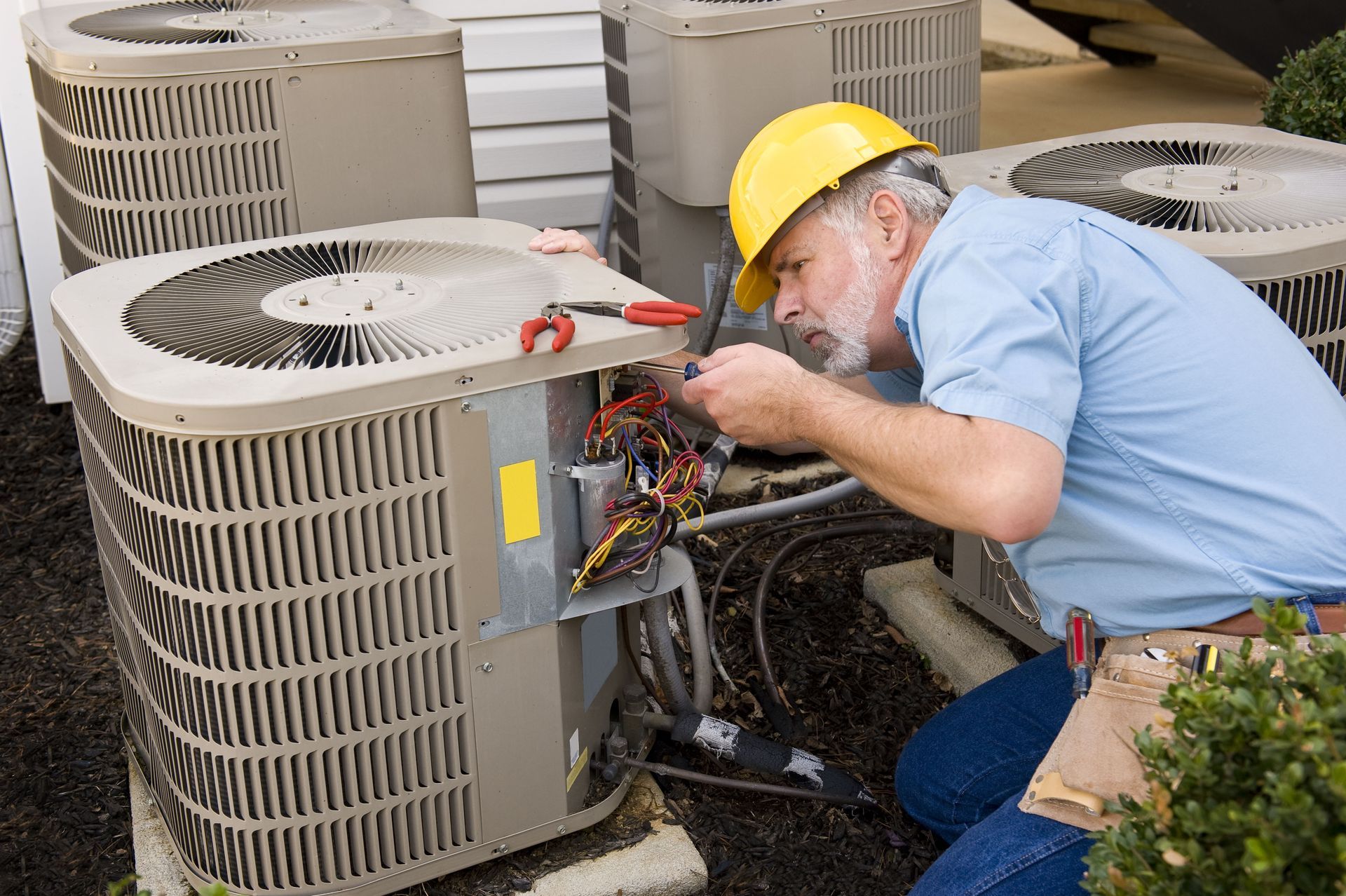
Electrical component degradation within heating and cooling units creates significant safety hazards that demand immediate professional attention. Loose connections, failing capacitors, and frayed wires can induce short circuits, raising the risk of localized fires. Regular professional assessments help identify these electrical hazards before they jeopardize your family's household safety. Certified technicians quickly resolve these hidden dangers to preserve safety.
Compromised electrical parts also disrupt standard system operations, causing intermittent performance or total operational failure during peak seasons. Malfunctions often result in sudden zone freezing, unexpected shutdowns, or complete loss of climate control. Timely diagnosis corrects faulty connections and restores steady and vital system operation, ensuring consistent comfort for your family during extreme weather patterns.
Common electrical issues include broken thermostats, blown fuses, and frequently tripped circuit breakers inside the main panel. These problems typically develop from faulty initial installation, aging components, or long periods of poor maintenance. A highly certified local HVAC contractor uses specialized tools to isolate these electrical failures safely, preventing minor faults from damaging expensive internal motors.
4. Fix Thermostat Malfunctions
Thermostat errors, particularly inaccurate temperature readings, represent frequent problems discovered during seasonal system tune-ups. A miscalibrated thermostat misreads indoor conditions, causing equipment to run constantly or shut down prematurely. This issue diminishes household comfort while increasing component strain. Routine inspections uncover these calibration errors, allowing technicians to recalibrate or replace the device to restore accurate and critical performance.
Control devices can also suffer from internal signal interruptions that break communication with heating and cooling units. This digital disruption causes equipment to behave erratically, yielding uneven temperatures throughout the house. An experienced local HVAC contractor can trace these communication faults to old wiring or electronic interference. Resolving these connection bugs ensures reliable system performance and smoother daily operations.
Compatibility issues between older control units and modern climate systems frequently reduce operational efficiency and user satisfaction. Homeowners often overlook the fact that legacy thermostats cannot correctly manage advanced multi-stage heating and cooling equipment. Comprehensive inspections highlight these technological mismatches and provide pathways for modern upgrades, maximizing overall system utility and valuable control convenience.
5. Clean Blocked Filters
Clogged filters are a pervasive issue that dramatically restricts airflow through your entire residential ventilation system. When dirt accumulates on the filter surface, the restricted air movement forces the system's internal blower to work much harder. This added operational strain reduces efficiency and induces severe component wear. A local HVAC contractor ensures your airflow paths remain unobstructed during routine inspections.
Neglecting filter cleanliness directly threatens equipment longevity by forcing critical machinery to operate under constant mechanical stress. According to observations by This Old House, most climate control systems can endure up to 20 years when given appropriate and preventative care. Regular professional oversight ensures filters receive timely attention, preventing premature mechanical aging and unexpected system replacement costs down the line.
Restricted filters also carry negative health implications for residents by failing to capture airborne irritants effectively. Dirty media cannot trap dust, pet dander, or pollen, which lowers indoor air quality. This circulating debris can aggravate respiratory sensitivities and allergies among family members. Keeping filters clean supports a healthy indoor environment and protects overall household wellness throughout the essential seasons.
6. Resolve Insulation Problems
Insulation deficiencies represent another critical issue revealed during comprehensive thermal property evaluations. Substandard insulation allows substantial heat transfer, causing warmth to escape during winter and enter during summer. This thermal loss forces climate systems to run continuously to maintain stable conditions. Professional inspections identify areas lacking proper thermal barriers to optimize energy usage and improve stable indoor comfort levels.
Poor thermal boundaries directly increase residential energy consumption because systems require extra power to combat outdoor temperatures. Inspections highlight hidden structural gaps where conditioned air escapes unnecessarily, offering clear solutions for thermal improvement. Fixing these insulation weak points helps lower monthly operational costs while supporting long-term energy conservation goals throughout the entire year without sacrificing comfort.
Technicians utilize specialized diagnostic tools like thermal cameras to identify hidden insulation gaps behind finished walls. These advanced imaging systems pinpoint precise locations where thermal protection is missing or settled. Addressing these specific problem zones enhances residential comfort and boosts system output. Partnering with a local HVAC contractor ensures your home maintains ideal thermal efficiency during severe and extreme weather.
Regular system assessments remain essential for uncovering hidden mechanical problems that threaten residential safety and efficiency. Addressing issues like duct leaks, low refrigerant, and electrical wear avoids expensive emergency repairs down the road. Working with a trusted local HVAC contractor protects your crucial home investment. Routine maintenance preserves operational integrity and ensures dependable comfort during every season.
Proactive care provides long-term peace of mind by optimizing energy savings and keeping indoor air clean. Identifying minor faults before they escalate extends equipment life and maintains healthy and ideal indoor conditions. For exceptional service and reliable maintenance, please contact Pro Plumbing & Heating so we can keep your home perfectly comfortable and safe.