August 10, 2026
Choosing a new water heater is an important decision for any homeowner. The right system can provide reliable hot water, improve energy efficiency, and help control long-term household expenses. However, with so many options available, deciding between a traditional tank water heater and a tankless model can feel overwhelming.
Both systems have their own advantages and drawbacks, and the best choice depends on factors such as household size, water usage habits, budget, and available space. Understanding how these two types of water heaters compare can help homeowners determine which option best meets their needs. Working with local plumbers can also provide valuable insight into installation requirements, maintenance expectations, and the overall performance of each system.
Understanding The Differences Between Tank And Tankless Water Heaters
The primary difference between tank and tankless water heaters is how they store and heat water. A traditional tank water heater uses a large storage tank that continuously heats and maintains a supply of hot water. These systems typically hold between 30 and 80 gallons, allowing households to access hot water quickly whenever needed.
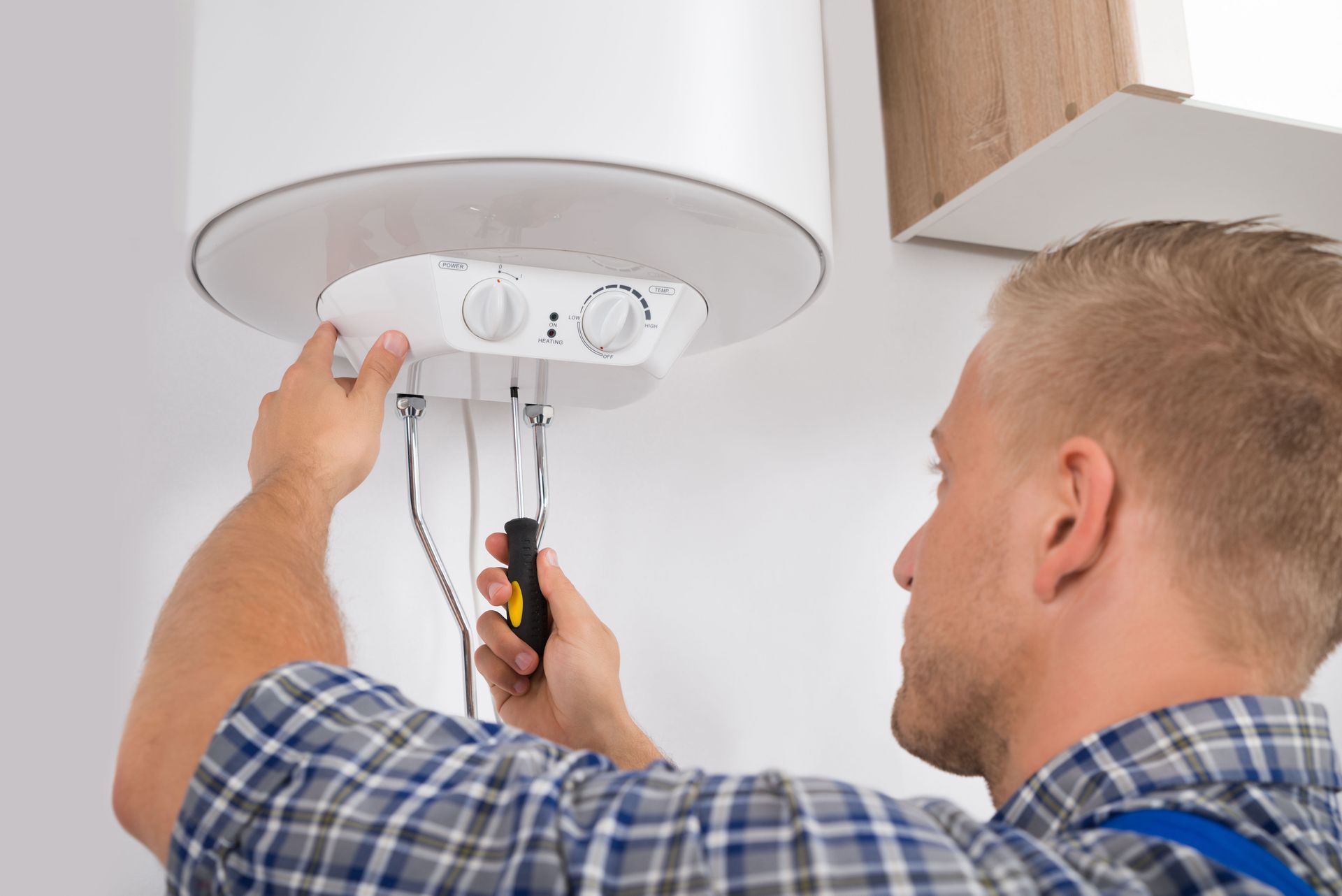
Tankless water heaters operate differently by heating water only when it is needed. Instead of storing hot water, these systems use powerful heating elements or gas burners to warm water as it passes through the unit. This design allows tankless models to provide a continuous supply of hot water without the need for a storage tank.
For many homeowners, the choice comes down to convenience and usage patterns. A household with high hot water demands may appreciate the consistent supply offered by a tankless system. On the other hand, families with predictable water usage may find that a traditional tank model provides reliable performance at a lower initial cost.
Local plumbers often evaluate a home’s existing plumbing system, energy source, and hot water requirements before recommending one option over the other. Factors such as available space, electrical capacity, and gas line requirements can all influence which type of water heater makes the most sense.
Comparing Installation And Maintenance Requirements
Installation requirements can vary significantly between tank and tankless water heaters. Replacing an existing tank water heater with a similar model is usually a straightforward process because many homes are already designed around these systems. The plumbing connections, electrical setup, and ventilation requirements may already be compatible.
Tankless water heaters often require more extensive installation work, especially when upgrading from a traditional tank system. Some homes may need electrical upgrades, new gas lines, or improved ventilation to support the higher energy demands of a tankless unit. Because of these factors, professional installation is highly recommended.
Maintenance needs also differ between the two systems. Tank water heaters typically require periodic flushing to remove sediment buildup inside the tank. Over time, minerals from the water supply can collect at the bottom of the tank, reducing efficiency and potentially shortening the unit’s lifespan.
Tankless systems require regular maintenance as well, including cleaning filters and removing mineral buildup from internal components. Homes with hard water may require more frequent service to maintain proper operation.
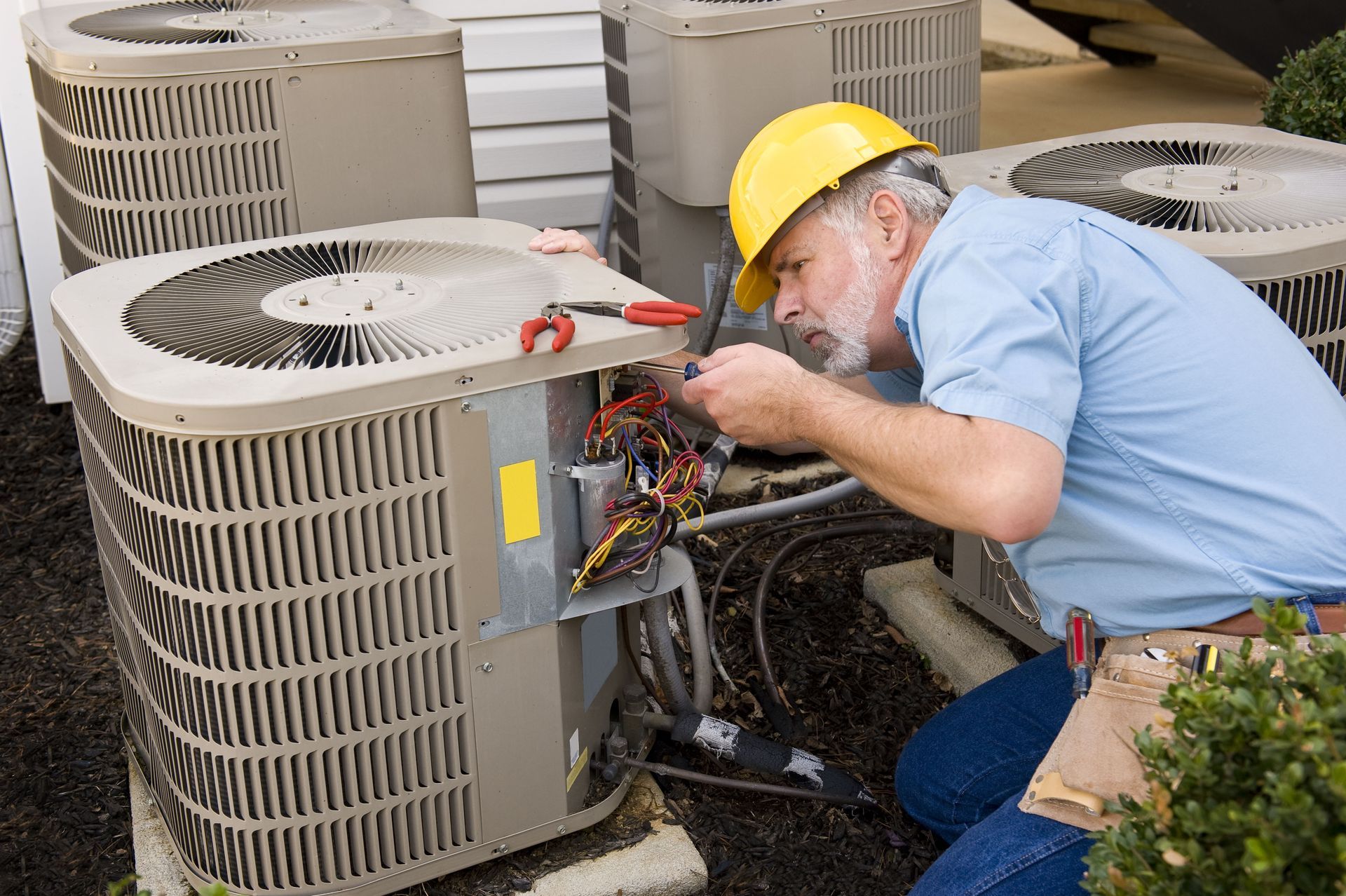
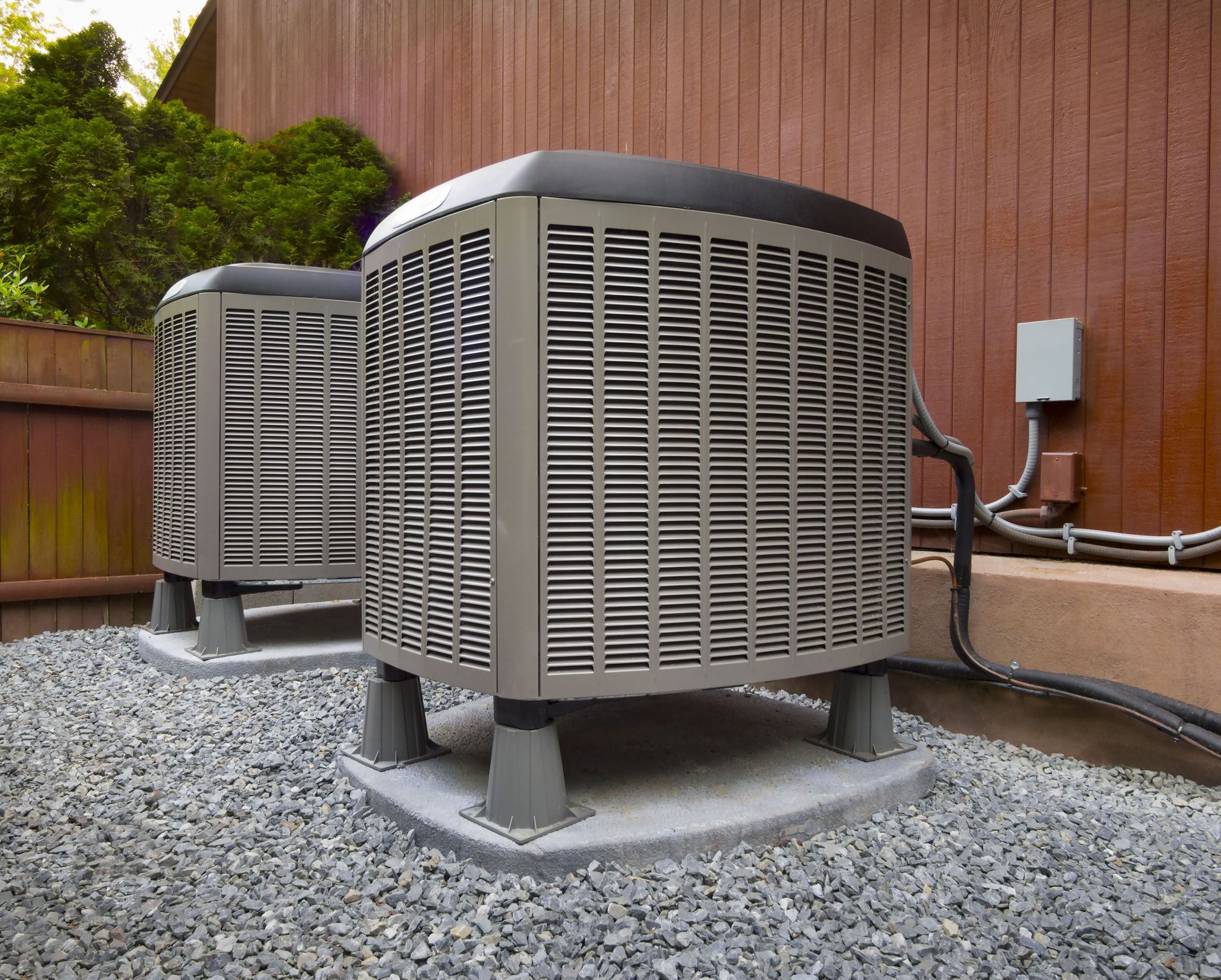
According to This Old House, most HVAC systems can last up to 20 years when they receive proper maintenance. While this information applies specifically to HVAC equipment, it highlights the importance of regular upkeep for major home systems. Similar attention to maintenance can help water heaters operate more efficiently and last longer. Local plumbers can help homeowners establish a maintenance schedule based on their system type and water conditions.
Exploring The Pros And Cons Of Each System
Tank water heaters remain popular because they are affordable, dependable, and familiar to most homeowners. One of the biggest advantages of a traditional tank system is its lower upfront cost. These units are widely available and typically require less complicated installation compared with tankless models.
Another benefit is that tank water heaters can deliver hot water quickly because it is already stored and ready for use. They are also capable of handling multiple water fixtures operating at the same time, although the available hot water supply is limited by the tank’s capacity.
However, tank systems do have disadvantages. Because they constantly heat stored water, they can experience standby energy losses. Once the hot water supply runs out, homeowners must wait for the tank to refill and heat additional water.
Tankless water heaters offer several benefits, particularly for homeowners interested in efficiency and long-term convenience. Their compact size saves space, and their ability to heat water only when needed can reduce wasted energy. Tankless units also provide a continuous supply of hot water, making them appealing for larger households.
The main drawbacks of tankless systems are higher upfront costs and more complex installation requirements. Additionally, some models may struggle to provide enough hot water if multiple high-demand appliances are running simultaneously without proper sizing.
Local plumbers can help homeowners compare these advantages and disadvantages based on their specific household needs rather than relying on general recommendations.
Examining Energy Efficiency And Utility Costs
Energy efficiency is one of the biggest factors homeowners consider when choosing between tank and tankless water heaters. Traditional tank models must maintain a set water temperature at all times, meaning they use energy even when hot water is not being used.
Tankless systems avoid this standby heat loss by activating only when hot water is needed. This can make them more efficient for households that use hot water throughout the day but do not require constant storage. However, actual energy savings depend on factors such as water usage habits, fuel type, and the efficiency rating of the specific unit.
While tankless water heaters may provide energy savings over time, they are not automatically the right choice for every household. A smaller household with limited hot water needs may not see enough savings to offset the higher purchase price.
Local plumbers can evaluate energy usage patterns and help homeowners determine whether the efficiency benefits of a tankless system justify the additional investment. They can also recommend properly sized equipment to prevent unnecessary energy consumption.
Comparing Costs And Long-Term Value
Cost is often one of the deciding factors when choosing a water heater. Traditional tank water heaters generally have a lower purchase price and installation cost, making them attractive for homeowners who need an affordable replacement option.
Tankless water heaters typically cost more upfront due to the equipment price and potential installation modifications. However, their longer lifespan and improved efficiency may provide savings over time. Many tankless models can last longer than traditional tanks when properly maintained, which may reduce replacement costs in the future.
Homeowners should also consider repair expenses, available warranties, and expected energy savings when comparing the total cost of ownership. A cheaper initial purchase does not always result in the lowest long-term expense.
Consulting
local plumbers before making a decision can help homeowners understand the complete financial picture. A professional can assess the home’s current setup, estimate installation requirements, and explain whether a tank or tankless system offers better value.
Choosing The Right Water Heater For Your Home
Selecting between a tank and tankless water heater depends on a combination of budget, household needs, and long-term goals. Traditional tank systems remain a practical choice for homeowners looking for affordability and simple installation. Tankless systems may be better suited for those who want space savings, energy efficiency, and an endless supply of hot water.
Before making a final decision, homeowners should consider their daily hot water usage, available space, energy costs, and future plans for the property. The right system should provide dependable performance while fitting comfortably within the household budget.
Local plumbers can offer personalized recommendations and help homeowners avoid common installation mistakes. By evaluating the benefits and limitations of each option, homeowners can choose a water heater that provides reliable service and lasting value for years to come. If you're looking for a new water heater, reach out to the team at Pro Plumbing & Heating today!